Examining the Merits of Opting for Bulk Haulage for Your Logistics Demands
Bulk freight transport provides a smart solution for firms seeking to optimize their shipping logistics. Through shipment consolidation, businesses are able to realize significant cost savings and lower their impact on the environment. Additionally, this method offers enhanced trustworthiness and adaptability in delivery schedules - Illinois top rated Bulk Trucking. Given the evolution of supply chain management evolves, understanding the nuances of bulk trucking is critical for keeping an advantage. What other advantages might this method show for current enterprises?
Achieving Cost Reduction Via Economies of Scale
Despite many firms are encountering higher transport fees, bulk freight provides significant cost savings through large-scale operations. By consolidating shipments, companies can reduce the individual item shipping expense, as greater volumes enable better utilization of assets such as workers and gasoline. Such efficiency results in reduced total costs, which makes bulk transport an attractive option for companies seeking to streamline their supply chain.
Additionally, bulk trucking minimizes the amount of travel needed, which results in additional cost reduction associated with upkeep of trucks and staff salaries. Companies can negotiate better rates with transport providers when promising greater quantities, allowing them to gain from lower delivery charges. Therefore, companies are able to direct their financial gains towards other functions, boosting their competitiveness. In conclusion, the economic advantages of bulk trucking establish it as a key strategy for organizations aiming to improve their bottom line while maintaining efficient supply chain operations.
Decreased Impact on the Environment
Bulk trucking greatly contributes to a smaller environmental toll, establishing it as a sustainable solution for moving goods. By consolidating shipments, bulk trucking minimizes the amount of journeys needed to ship items, which in turn decreases fuel consumption and greenhouse gas emissions. This efficient method of transporting large quantities of materials results in a lower vehicle count, easing road blockage and wear on infrastructure.
Moreover, numerous bulk transport providers are implementing greener methods, such as utilizing fuel-efficient vehicles and optimizing routing to lower their emissions substantially. The use of advanced technologies in the supply chain helps in tracking pollution and improving total effectiveness. With businesses increasingly prioritizing environmental responsibility, choosing bulk transport helps environmental initiatives while fulfilling social responsibility goals. Therefore, bulk transport acts as an effective answer for businesses looking to reduce their ecological footprint and still completing their logistical requirements.
Better Transit Times and Trustworthiness
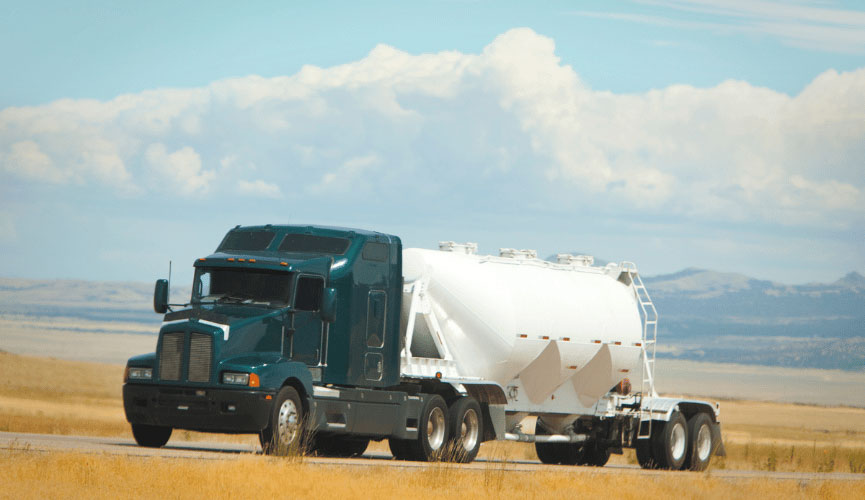
When businesses opt for bulk transport for their transportation needs, they usually benefit from better transit times and greater trustworthiness. This shipping method is built to effectively manage high volumes of products, minimizing the required trips. Through combining loads, businesses can reduce holdups related to staging and destaging, which ensures faster movement.
Furthermore, bulk transport usually requires fewer halts, which makes the delivery process more efficient. Numerous bulk haulers employ cutting-edge tracking and logistics tools, giving instant information that increases visibility and oversight. This level of visibility helps businesses plan more effectively, ensuring that products arrive on schedule.
Moreover, bulk hauling's dive in consistency is supported by skilled drivers and well-maintained vehicles, reducing the risk of breakdowns or delays. As a result, companies can depend on bulk trucking services to meet their shipping deadlines consistently, which ultimately boosts client happiness and strengthening commercial ties.
Enhanced Load Capacity and Flexibility
Although many shipping methods restrict cargo volume, bulk transport provides greater hauling volume allowing firms to ship significant volumes of materials in a single haul. This feature is especially advantageous for industries that must transport massive volumes, including mining, construction, and agriculture. With specialized vehicles designed for bulk materials, businesses can optimize their shipping processes, cutting down the journeys required to ship products.
Furthermore, bulk trucking provides flexibility in load configuration, handling different kinds of materials, including liquids, grains, and powders. This versatility allows companies to adapt to changing demands and manage their supply chain effectively without losing hauling power. By utilizing the greater volume and adaptability of bulk transport, firms can simplify their workflows, lower transport expenditures and guarantee a more reliable delivery process. In conclusion, this option presents a practical solution for firms aiming to maximize delivery efficiency and satisfy client demands.
Better Management of the Supply Chain
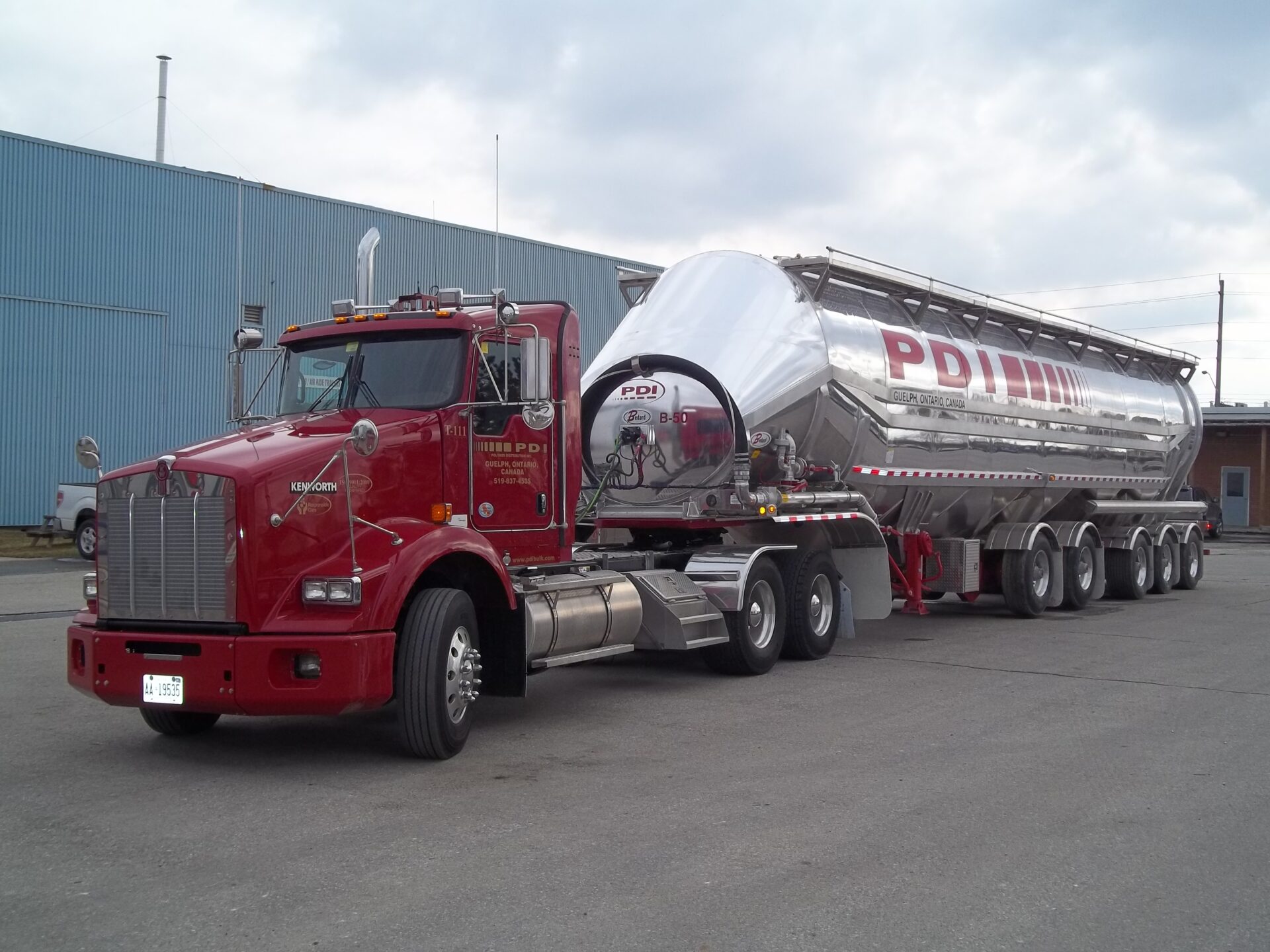
Optimized SCM processes is readily possible with the integration of large-scale transport into logistics operations. By combining loads, businesses can lower shipping expenses and improve delivery times. Large-scale transport enables the transfer of larger quantities of goods in reduced travel, reducing the hassle of handling many separate loads. This efficiency allows for better inventory management, as companies can get and send out goods more rapidly.
Additionally, bulk trucking strengthens interaction and coordination among logistics collaborators. With less transporters utilized, tracking shipments becomes simpler, leading to improved visibility and quicker response times to any issues that may arise. The trustworthiness of bulk trucking also guarantees that goods arrive at their destinations in prime condition, decreasing the chance of damage or hold-ups. In summary, incorporating mass transport into SCM frameworks fosters a more cohesive and effective operational structure, helping companies and their clientele equally.
Frequently Asked Questions
Which Products Are Ideal for Mass Transport?
Bulk trucking is ideal for moving significant amounts of product such as farm produce, building supplies, chemicals, and perishable goods. These goods benefit from effective, economical delivery techniques, cutting down on manual processing and minimizing overall transportation costs.
What Is the Process for Finding a Trustworthy Mass Hauler?
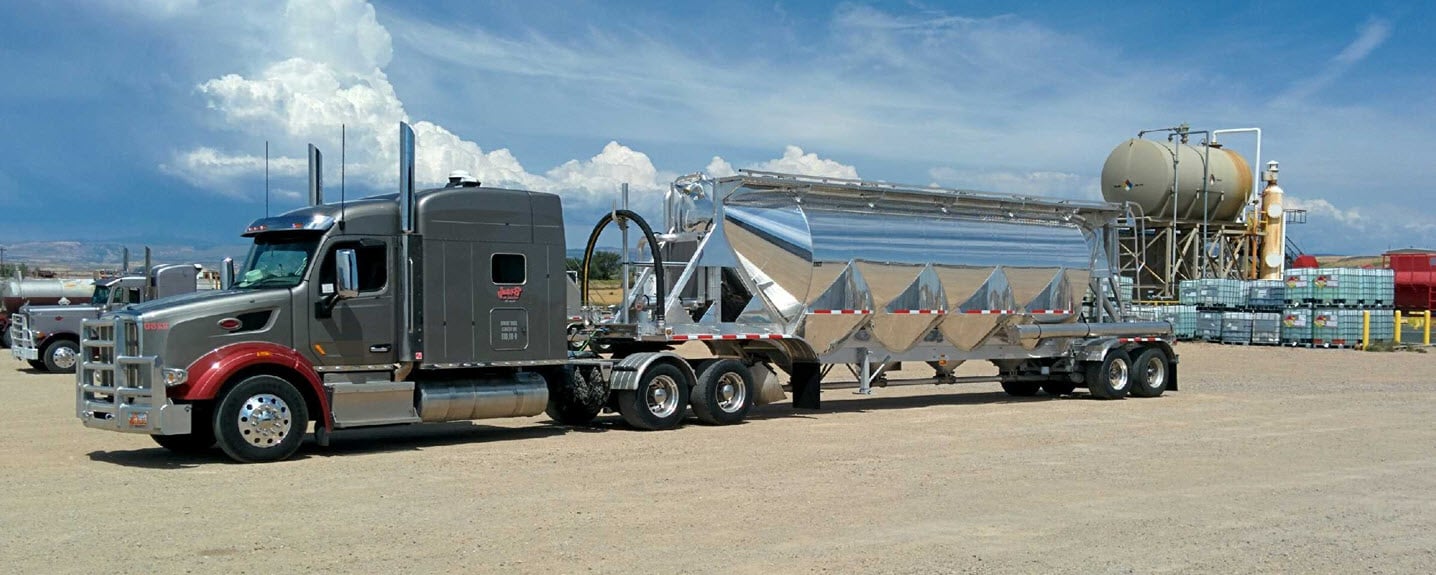
To find a dependable mass transporter, one should research online reviews, seek recommendations from industry peers, evaluate certifications, and get multiple bids - Illinois top rated Bulk Trucking. Furthermore, evaluating the provider’s experience and truck capacity is necessary for selecting wisely
How Long Does It Usually Take for Mass Deliveries?
The standard shipping duration for bulk shipments is generally around 24 to 72 hours, varying by the route length, road quality, and the kind of goods. Changes in these elements can significantly alter transit times.
Do Weight Limits Apply for Bulk Trucking Loads?
Indeed, bulk trucking loads must adhere to maximum weights, which change regionally and truck model. Illinois top rated Bulk Trucking. Rules provide safety and compliance, typically restricting loads to approximately 80,000 pounds for conventional transport on highways
Are Bulk Carriers Accommodate Perishable Goods?
Yes, bulk trucking can manage perishable freight by employing specific gear, such as reefer units. This ability guarantees that perishable goods keep their required temperatures during transit, safeguarding quality and freshness.