Understanding Bulk Trucking: Key Services and Their Impact on Logistics
Bulk trucking plays a critical role in logistics management. It covers key services such as transporting liquid bulk and dry bulk transportation. Illinois top rated Bulk Trucking. The goal of these services is to improve supply chain efficiency, reduce costs, and provide on-time delivery. However, the intricate processes involved in bulk trucking raise questions about safety, equipment, and future innovations. Grasping these dynamics offers key insights into how logistics can succeed and adapt in a dynamic environment
The Importance of Bulk Trucking in Managing the Supply Chain
Efficiency is a core element of contemporary supply chain operations, and bulk trucking is vital in boosting this efficiency. Bulk trucking facilitates the transportation of large quantities of goods, reducing the number of trips required and lowering fuel usage. This transportation method enables companies to optimize their logistics, ensuring that materials reach production facilities and products arrive at retail outlets in a timely manner. By combining loads, bulk trucking cuts down on operational expenditure and helps improve inventory control. Additionally, it supports JIT delivery systems, which are essential for reducing waste and keeping production on track. The capability to move varied materials, from raw resources to finished products, highlights the significance of bulk trucking in maintaining a fluid supply chain. Given the competitive marketplace, the efficiency gains provided by bulk trucking are crucial for businesses aiming to boost their performance and customer satisfaction.
Bulk Trucking Service Classifications
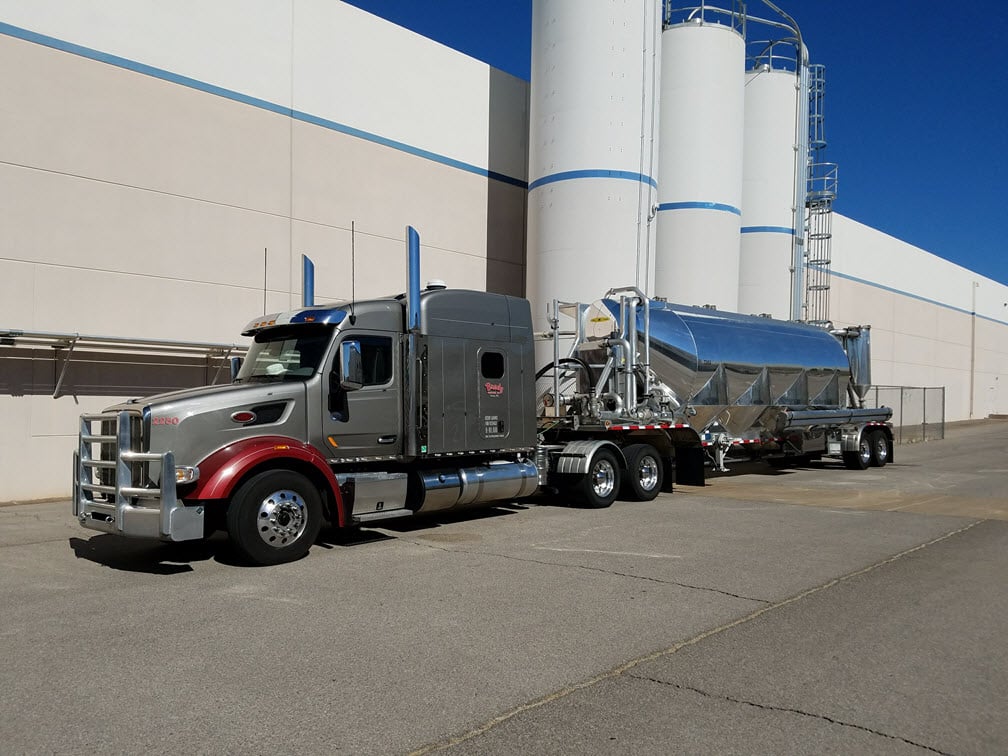
Bulk transport operations are classified primarily into liquid bulk transportation and dry bulk hauling. Every type caters to different industries and requires specialized equipment and handling protocols. Grasping these distinctions is vital for businesses to efficiently handle their logistics and supply chain needs.
Liquid Bulk Transportation
With the rising demand for diverse liquid products, grasping the forms of liquid bulk transportation services is essential for sectors reliant on these materials. Bulk liquid transport centers on the movement of liquids such as chemicals, petroleum, and edible commodities. Dedicated liquid haulers, fitted with pressurized and insulated equipment, are frequently used to guarantee safe and efficient transport. This type of transport can be categorized into several types, including dedicated delivery for specific products and standard bulk liquid services that can carry diverse liquids. Furthermore, many providers offer temperature-controlled transport to maintain the quality of the product. As a result, picking the correct liquid bulk transportation service is essential for maintaining product quality and meeting legal requirements in the field of logistics.
Hauling Dry Materials
Dry bulk hauling plays an essential role in the transportation of various granular and powdered materials, like grains, fertilizers, and building materials. This type of transport is generally executed using dedicated trucks, including pneumatic tankers and dump trucks, designed to handle bulk quantities with safety and efficiency. Dry bulk hauling is critical for industries like agriculture, construction, and manufacturing, where the prompt delivery of materials can significantly affect output. The logistics of dry bulk transportation require meticulous organization to guarantee ideal routes and cut down on delivery time. Furthermore, operators need to follow safety regulations and best practices to lessen dangers involved in handling and transporting these goods. In summary, dry bulk hauling is a key element of the broader bulk trucking sector.
Liquid Hauling: Moving Liquids Safely and Efficiently
Tanker trucking plays an essential role in the logistics industry by facilitating the safe and efficient movement of liquid commodities. This specialized mode of transportation is important for delivering various liquids, like chemicals, petroleum products, and edible fluids. Tanker vehicles feature advanced safety features to prevent leaks and spills, which are vital for preserving the environment and public health.
The logistics of tanker transport demand thorough preparation, including route selection and meeting legal requirements. The tankers utilized have to comply with strict safety rules, guaranteeing that the contents are transported securely. In addition, qualified workers manage loading and unloading processes to keep the process safe and effective.
The financial significance of tanker transport is substantial, as it supports various industries by facilitating the on-time movement of essential liquids. Therefore, the effectiveness of tanker transport is crucial for keeping the supply chain robust and satisfying customer needs in an ever-more connected global market.
Transporting Dry Bulk: Managing Solid Commodities
A large part of the logistics industry relies on dry bulk hauling for the streamlined delivery of solid materials. This method is critical for transporting goods such as grains, plastics, minerals, and fertilizers. Unlike liquid bulk, dry bulk materials require specialized equipment, including walking floor trucks and pneumatic trailers, built to simplify loading and unloading processes. Careful manipulation of these solid materials is crucial, as poor handling can lead to contamination and spillage, impacting the environment as well as supply chain reliability
In addition, dry bulk hauling often involves navigating complicated supply routes, including scheduling and route design, to ensure minimal disruption. The impact of this service extends beyond mere transportation; it underpins many industries, from agriculture to construction, by assuring timely availability of essential materials - Illinois top rated Bulk Trucking. Therefore, dry bulk hauling is a key factor of the overall logistics structure, promoting efficiency and reliability in the supply chain
Bulk Freight Management: Improving Efficiency
Efficient management of bulk freight operations is crucial for streamlining logistics processes and guaranteeing prompt arrival of goods. This involves managing several components, such as transportation, storage, and handling of bulk materials. Successful methods include optimizing routes, which minimizes transit times and reduces fuel costs. Additionally, implementing technology for tracking shipments provides greater insight and allows for real-time adjustments.
Stakeholder cooperation is vital; producers, carriers, and receivers must communicate effectively to coordinate timelines and requirements. Using dedicated gear, like specialized trailers or bulk tankers, additionally simplifies handling, decreasing time spent loading and unloading.
Managing inventory is equally important, as precise prediction assists in having appropriate inventory and prevents delays. By adopting these strategies, companies can substantially better their bulk freight operations, resulting in reduced costs and improved customer approval. Adopting a holistic approach to freight management is critical for sustaining competitive advantage in the logistics sector.
The Future of Bulk Hauling in Logistics
As technological advancements continue to shape the logistics landscape, bulk trucking's future offers significant potential to achieve overview better performance and environmental responsibility. Illinois top rated Bulk Trucking. New technologies like self-driving trucks and sophisticated route planning tools will fundamentally change how operations run. These technologies can minimize fuel consumption, reduce operational costs, and enhance timeliness of deliveries, thereby increasing the competitiveness of bulk trucking
Furthermore, the integration of data analytics and the Internet of Things (IoT) will enable real-time tracking of shipments, providing greater visibility for clients and streamlining the process of managing inventory. With environmental rules becoming stricter, the shift toward alternative power sources, for example, electric or hydrogen-fueled trucks, is expected to increase significantly, contributing to a greener supply chain
In the end, bulk trucking's role in logistics will be defined by a focus on efficiency, sustainability, and technology-driven solutions, making it a vital part of contemporary supply chains
Questions and Answers
What Environmental Consequences Does Bulk Hauling Have

Bulk trucking contributes to environmental impacts through greenhouse gas emissions, noise pollution, and potential harm to infrastructure. Additionally, the transportation of heavy materials may result in the wearing away of soil and higher levels of energy use, impacting regional ecosystems and the quality of the air.
How Does Legislation Impact Bulk Trucking
Rules significantly influence bulk hauling activities through the enforcement of safety requirements, emissions controls, and restrictions on vehicle weight. Compliance with these regulations influences operational costs, transportation schedules, and the choice of vehicles, ultimately shaping the efficiency of logistics networks.
What Safety Precautions Are Used in Bulk Hauling
Bulk trucking implements safety measures such as frequent vehicle examinations, training courses for operators, compliance with maximum weight allowances, implementation of safe loading procedures, deploying satellite monitoring systems, and adhering to governmental safety legislation to mitigate dangers.
How Can I Choose the Right Bulk Trucking Company
When selecting an appropriate bulk hauling firm, one should evaluate their safety record, their tenure in the sector, what their trucks are capable of handling, testimonials from previous customers, their cost structure, and their geographical scope, guaranteeing they meet your unique transport demands and meeting regulatory standards for optimal effectiveness.
What Technological Tools Are Employed in Bulk Hauling Logistics
Bulk hauling operations utilize technologies like GPS monitoring, programs for optimizing routes, vehicle telematics, and ELDs (electronic logging devices). These systems boost effectiveness, improve communication, and verify regulatory observance, ultimately streamlining the transportation process.