Bulk Trucking Explained: Crucial Services and Their Influence on Logistics
Bulk trucking is essential in managing logistics. It encompasses essential services such as transporting liquid bulk and hauling dry bulk. Illinois top rated Bulk Trucking. These services aim to enhance supply chain effectiveness, cut down on costs, and ensure deliveries are timely. However, the intricate processes involved in bulk trucking bring up issues concerning safety, equipment, and upcoming innovations. Understanding these dynamics can provide key insights into how logistics can flourish and adjust in a rapidly changing environment
Why Bulk Trucking Matters in Supply Chain Management
Efficiency is a cornerstone of today's supply chain practices, and bulk trucking is essential in improving this effectiveness. Bulk transport enables the transportation of large quantities of goods, minimizing required journeys and lowering fuel usage. This method of transport allows companies to improve their logistical processes, making sure materials get to production facilities and products arrive at retail outlets promptly. By combining loads, bulk trucking reduces operating expenses and aids better inventory management. Furthermore, it facilitates JIT systems, which are essential for reducing waste and maintaining production schedules. The ability to transport diverse materials, from raw resources to completed goods, emphasizes the necessity of bulk trucking in ensuring a smooth supply chain. Given the competitive marketplace, the efficiency benefits delivered by bulk trucking are crucial for businesses aiming to boost their performance and customer satisfaction.
Categories of Bulk Transport Services

Bulk hauling services are divided primarily into liquid bulk transportation and dry bulk hauling. Each type serves distinct industries and demands specialized equipment and handling procedures. Grasping these distinctions is vital for businesses to properly manage their logistics and supply chain requirements.
Liquid Bulk Transportation
Given the increasing need for various liquid goods, knowing the categories of liquid bulk transportation services becomes vital for industries reliant on these materials. The movement of liquids in bulk primarily involves the transport of fluids such as chemicals, petroleum, and food-grade products. Tanker trucks, equipped with systems for insulation and pressure, are frequently used to guarantee safe and efficient transport. These services fall into several types, like specific product hauling for specific products and general liquid bulk hauling that handles various fluids. Additionally, many providers offer temperature-controlled transport to safeguard the condition of the goods. Therefore, choosing the right liquid bulk transportation service is vital to maintaining product quality and adhering to regulatory standards within the logistics framework.
Dry Bulk Hauling
Hauling bulk solids is critical to the transportation of various granular and powdered materials, like grains, fertilizers, and construction aggregates. This type of transport is typically performed using specific equipment, including pneumatic tankers and dump trucks, designed to handle bulk quantities with safety and efficiency. The transport of dry bulk is vital to industries including agriculture, construction, and manufacturing, where the prompt delivery of materials can significantly affect output. Managing dry bulk transport demand thorough preparation to ensure optimal routes and cut down on delivery time. Furthermore, operators have to adhere to safety regulations and best practices to lessen dangers involved in handling and transporting these goods. In summary, dry bulk hauling is an essential part of the broader bulk trucking sector.
Tanker Trucking: Safe and Effective Liquid Transport
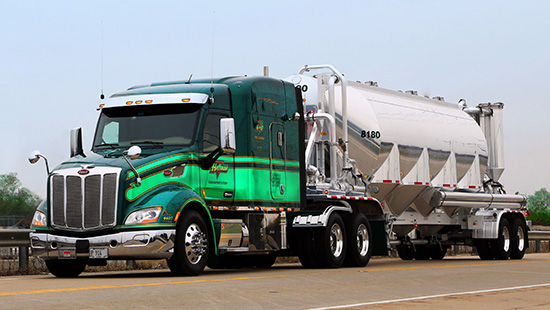
Tanker transport plays an essential role in the logistics industry by allowing for the safe and swift hauling of liquid commodities. This specific type of hauling is necessary for moving various liquids, such as chemicals, petroleum products, and edible fluids. Tankers are designed with sophisticated security features to prevent leaks and spills, which are essential for safeguarding the environment and public health.
Managing tanker movement require careful organization, including route selection and compliance with regulatory standards. The vehicles employed must meet stringent safety regulations, guaranteeing that the contents are transported securely. In addition, skilled staff supervise loading and unloading processes to maintain safety and efficiency.
Tanker hauling's economic effect is substantial, as it helps diverse businesses by allowing for the prompt supply of essential liquids. In conclusion, the effectiveness of tanker transport is essential to keeping the supply chain robust and satisfying customer needs in an interdependent global economy.
Dry Bulk Hauling: Handling Solid Materials
A significant portion of the logistics industry depends on dry bulk hauling for the efficient transport of solid materials. This method is necessary for shipping goods such as fertilizers, minerals, plastics, and grains. Different from liquid bulk, dry bulk materials demand specialized machinery, including walking floor trucks and pneumatic trailers, built to simplify loading and unloading processes. Effective handling of these solid materials is crucial, as poor handling can lead to spillage and contamination, impacting the environment as well as supply chain reliability
In addition, dry bulk hauling often involves managing intricate logistical challenges, including scheduling and route design, to guarantee minimal delays. The impact of this service goes beyond just moving goods; it underpins many industries, from agriculture to construction, by guaranteeing prompt access of essential materials - Illinois top rated Bulk Trucking. Consequently, dry bulk hauling is a core element of the larger supply chain system, fostering dependability and effectiveness in the supply chain
Managing Bulk Shipments: Optimizing Processes
Effective oversight of bulk freight operations plays a fundamental role in optimizing logistics and guaranteeing prompt arrival of goods. This involves integrating multiple factors, such as movement, storage, and processing of bulk materials. Effective strategies include route optimization, which reduces travel duration and lowers expenditure on fuel. Furthermore, implementing technology for tracking shipments improves transparency and permits instantaneous changes.
Stakeholder cooperation is vital; producers, carriers, and receivers should maintain open communication to match expectations and schedules. Utilizing specialized equipment, like bulk tankers or pneumatic trailers, further streamlines handling processes, reducing loading and unloading times.
Inventory management is also critical, as precise prediction assists in having appropriate inventory and prevents delays. By discover this adopting these strategies, companies can markedly improve their bulk freight operations, resulting in reduced costs and increased customer satisfaction. Employing an integrated strategy to freight management is critical for sustaining competitive advantage in the logistics sector.
The Future of Bulk Trucking in Logistics
Given that technological progress is continually reshaping the logistics sector, bulk trucking's future offers significant potential for maximizing effectiveness and sustainability. Illinois top rated Bulk Trucking. Developations including autonomous vehicles and cutting-edge route optimization software are set to revolutionize operations. Such technologies have the capacity to reduce fuel use, decrease operating expenditures, and improve delivery times, which in turn strengthens the market position of bulk trucking
Furthermore, the integration of data analytics and the Internet of Things (IoT) will enable real-time tracking of shipments, enhancing transparency for clients and optimizing stock control. Since environmental legislation is becoming more stringent, the adoption of alternative fuel sources, like vehicles powered by electricity and hydrogen, is set to become widespread, fostering a more environmentally friendly logistics network
In the end, bulk trucking's role in logistics will be defined by a focus on efficiency, environmental responsibility, and tech-based innovations, establishing it as a crucial element within modern logistics networks
FAQs
What is the Ecological Footprint of Bulk Trucking
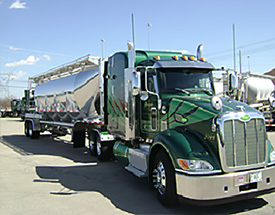
Bulk trucking contributes to environmental impacts via the release of greenhouse gases, noise pollution, and potential harm to infrastructure. Additionally, the transportation of heavy materials may result in the wearing away of soil and increased energy consumption, affecting local ecosystems and air quality.
How Does Legislation Impact Bulk Trucking
Legislation substantially impacts bulk trucking operations by mandating safety protocols, limits on emissions, and weight limits. Adhering to these rules affects running expenses, delivery timelines, and the selection of appropriate trucks, ultimately shaping the efficiency of logistics networks.
What Safety Measures Are Implemented in Bulk Trucking
Safety protocols for bulk hauling encompass routine truck checks, comprehensive driver education, compliance with maximum weight allowances, use of secure loading practices, deploying satellite monitoring systems, and following all federal and state safety rules to mitigate dangers.
What is the Best Way to Select a Bulk Hauling Firm
When selecting an appropriate bulk hauling firm, one should evaluate their safety record, their experience within the industry, fleet capabilities, customer reviews, the rates they charge, and service areas, guaranteeing they meet your unique transport demands and adhering to rules for maximum performance.
What Kind of Tech is Utilized in Bulk Trucking
Bulk hauling operations utilize technologies like GPS monitoring, route planning applications, telematics systems, and electronic logging devices. These tools enhance efficiency, facilitate better communication, and verify regulatory observance, ultimately streamlining the transportation process.